Blog · 13 min read
Hair Color Maintenance in Phoenix Summer: Your Guide
June 2026
Hair Color Maintenance in Phoenix Summer: Your Guide
Hair color maintenance in Phoenix’s summer is defined by one non-negotiable reality: the desert sun is the single greatest threat to your color’s vibrancy, and standard care routines are not built for it. Phoenix endures a UV Index of 10 to 12 from May through September, a level classified as extreme by the EPA. Add hard water running through most Phoenix homes, and you have two forces working against your color every single day. The good news is that with the right products, habits, and understanding of your specific hair tone, you can hold onto vibrant color all summer long.
Why does Phoenix summer heat accelerate hair color fading?
The technical term for what happens to your color in the Phoenix sun is photooxidation. UV radiation breaks down the artificial pigment molecules in your hair shaft, causing color to fade faster than it would in a lower-UV environment. This is not just about surface fading. UV exposure raises oxidative damage markers in the hair, reduces tensile strength, and causes the most severe structural damage in bleached or lightened hair. That means your highlights, balayage, and color-treated strands are the most vulnerable parts of your hair during Phoenix summers.
Here is what makes Phoenix’s summer conditions uniquely harsh for color-treated hair:
- Extreme UV duration: Phoenix does not get a few hot days. The extreme UV window runs for five consecutive months, giving your hair almost no recovery period between sun exposures.
- Oxidative lipid damage: UV-induced lipid peroxidation in the hair cuticle degrades the protective lipid layer, leaving pigment molecules exposed and prone to rapid breakdown.
- Bleached hair vulnerability: Lightened hair has a compromised cuticle structure, which means UV rays penetrate more easily and cause faster color shift, often toward unwanted brassiness or a washed-out tone.
- Hard water compounding the damage: Phoenix’s municipal water supply carries high levels of calcium and magnesium. Color-treated hair is especially prone to mineral uptake because chemical processes open the hair shaft, creating more binding sites for those minerals. The result is dulled tone, increased dryness, and accelerated fading.
Understanding these factors explains why a shampoo and conditioner routine that worked fine in Seattle or Chicago will fall short in Phoenix. The environment here demands a proactive, layered approach to color protection.
Which products best protect color during Phoenix summers?
The right product stack for Phoenix hair care in summer combines UV defense, sulfate-free cleansing, and deep hydration. Think of it the way you layer sunscreen on your skin: one product is never enough.
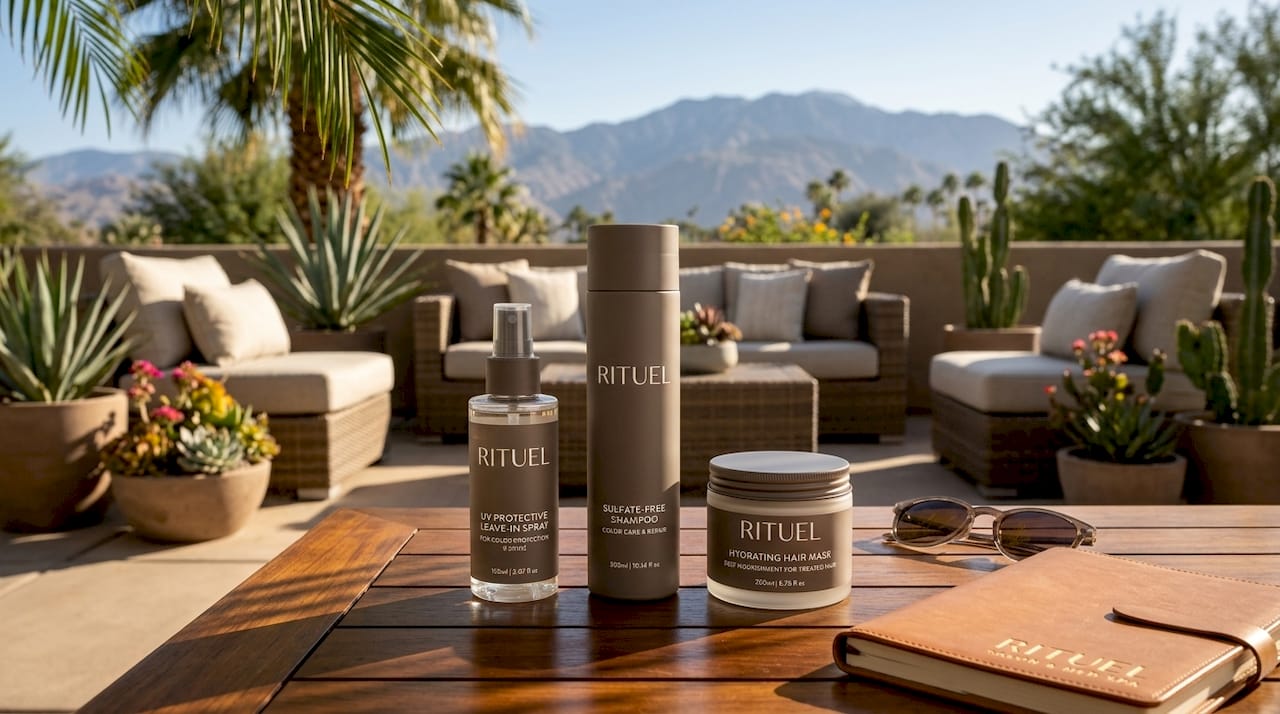
UV-protective leave-in sprays and conditioners are your first line of defense. Products like Paul Mitchell Forever Blonde Dramatic Repair and Amika’s antioxidant-rich formulas are specifically designed to reduce pigment oxidation by creating a barrier between your strands and UV rays. Apply them before you step outside, even on overcast days, because UV radiation penetrates cloud cover.
Sulfate-free shampoos are non-negotiable for color-treated hair. Sulfates strip the natural oils that seal the hair cuticle, and an open cuticle means faster color loss with every wash. Switching to a sulfate-free formula is one of the simplest changes with the most measurable impact on color longevity.
Hydrating masks and deep conditioners address the oxidative damage that UV exposure causes at the structural level. Weekly treatments with masks containing ingredients like keratin, panthenol, or hyaluronic acid restore moisture and reinforce the cuticle, which slows pigment loss over time.
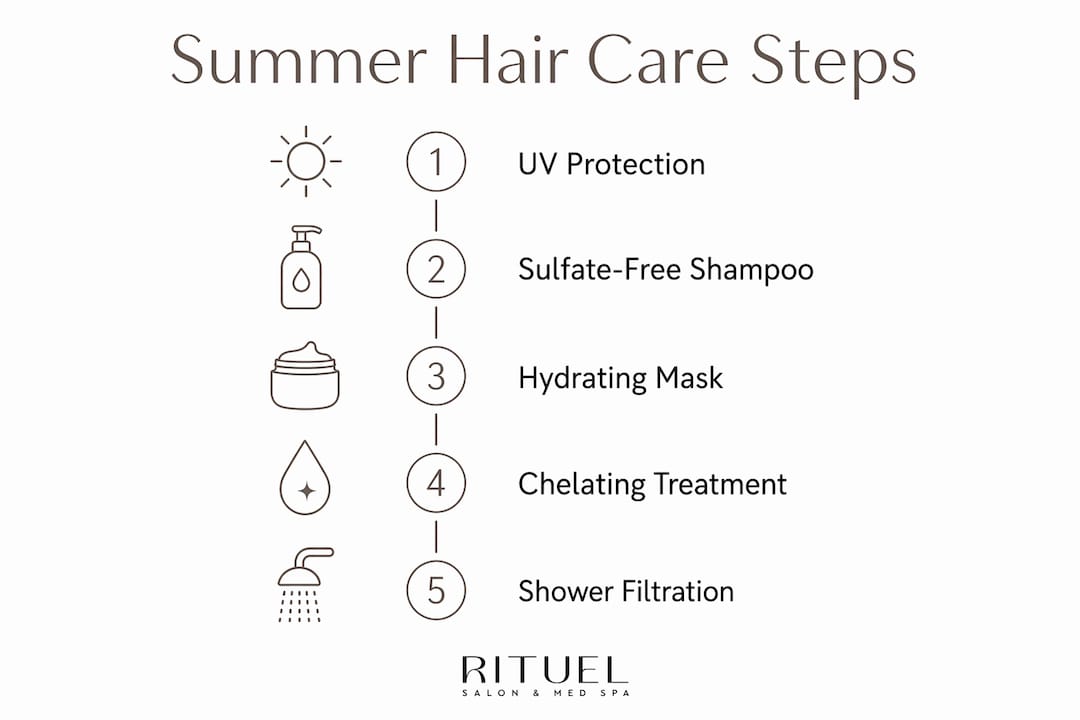
Shower filters are an underrated tool for Phoenix hair care. Hard water minerals dull blonde tones and cause dryness, and a quality shower filter reduces that mineral load before it ever touches your hair. This is especially relevant for blondes and anyone with lightened hair, where tone clarity is most sensitive to mineral interference.
Pro Tip: When shopping for a shower filter in Phoenix, check whether your water utility uses chlorine or chloramine as a disinfectant. Filters certified for chlorine may not reduce chloramine effectively, so matching the filter to your specific water chemistry makes a real difference in results.
On the topic of purple shampoo: use it strategically, not habitually. Celebrity colorist Tauni Dawson advises that warmer blondes should use less purple shampoo to preserve the warmth and dimension that makes those tones look rich and healthy. Purple shampoo is a toning tool, not a maintenance staple for every blonde.
What routine habits help maintain vibrant color all summer?
Building a consistent daily and weekly routine is where most Phoenix women see the biggest improvement in color longevity. The habits below are ordered by frequency and impact.
- Wash less frequently. Every wash cycle removes some color, regardless of how gentle your shampoo is. Aim for two to three washes per week and use dry shampoo between sessions to manage oil and volume.
- Use cool or lukewarm water. Hot water opens the hair cuticle, releasing pigment with every rinse. Cool water closes the cuticle and seals color in. This single habit extends the life of your color noticeably.
- Apply UV protection daily. This means every morning, not just beach days. Apply a UV-protective leave-in spray or serum before any sun exposure, including time spent near windows or driving. Phoenix’s UV index does not discriminate between indoor and outdoor exposure when you are near glass.
- Do a weekly deep conditioning treatment. Incorporate a hydrating mask into your routine every seven days. This repairs the oxidative damage that accumulates through the week and keeps strands soft enough to reflect light, which is what makes color look vibrant rather than flat.
- Rinse hair after swimming. Chlorine and pool minerals accelerate color fading and can shift tone dramatically, especially on lightened hair. Rinse with clean water immediately after swimming and follow with a leave-in conditioner.
- Use a chelating shampoo once a month. Chelating shampoos contain agents like EDTA that bind to and remove mineral deposits from the hair shaft. In Phoenix’s hard water environment, monthly chelating treatments prevent the gradual buildup that dulls color over time.
- Protect your hair physically during peak UV hours. A wide-brim hat or UV-protective hair wrap between 10 a.m. and 4 p.m. provides a level of protection that no product alone can match. Think of it as the physical sunscreen equivalent for your hair.
- Minimize heat styling. Every pass of a flat iron or curling wand adds thermal stress to already UV-compromised strands. When you do style with heat, use a heat protectant rated for at least 450°F.
Pro Tip: If your schedule makes a full weekly mask feel unrealistic, keep a moisture-locking treatment in your shower and apply it for five minutes on wash days. Consistency matters more than duration.
How do hair color undertones affect your summer maintenance strategy?
Not all color-treated hair fades the same way, and your maintenance routine should reflect your specific undertone. This is one of the most overlooked aspects of summer hair care in Phoenix.
Warm blondes (honey blonde, bronde, soft copper): These tones are actually lower maintenance in summer because the warmth that UV exposure introduces is part of the look. Tauni Dawson’s advice is direct: skip the platinum approach and lean into warm, dimensional color that looks healthy rather than fighting the sun’s natural effect on your tone. Use purple shampoo sparingly, perhaps once every two weeks, to prevent orange brassiness without stripping the warmth that makes these shades glow.
Cool and neutral blondes (platinum, ash, icy tones): These shades require more active toning maintenance because UV exposure pushes them toward yellow and brass. Purple shampoo is appropriate here, used once or twice a week, alongside a toning conditioner. The challenge is that cool blondes also tend to have more aggressive bleaching histories, making their strands more structurally vulnerable to UV damage.
Brunettes and dimensional dark tones: Color-treated brunettes often underestimate their sun exposure risk. UV fading on dark hair shows up as redness, orange undertones at the ends, or a general loss of depth. A color-depositing conditioner in a brown or cool tone, used weekly, keeps depth intact between salon visits.
The key principle across all undertones is this: tailoring purple shampoo use and toning products to your specific blonde undertone improves color longevity and prevents the over-toned, flat appearance that comes from applying a one-size-fits-all approach.
How does Phoenix’s water quality affect your hair color?
Phoenix’s water is classified as hard, meaning it carries elevated concentrations of calcium and magnesium. When this water contacts your hair during every shower, those minerals bind to the hair shaft. For color-treated hair, this is a compounding problem because chemical processes increase mineral binding sites on the strand, making colored hair absorb more minerals than untreated hair.
| Water Issue | Effect on Color-Treated Hair | Solution |
|---|---|---|
| High calcium and magnesium | Dulls tone, causes dryness, accelerates fading | Shower filter, chelating shampoo monthly |
| Chlorine disinfection | Lifts color, dries cuticle | Carbon-block shower filter |
| Chloramine disinfection | Harder to remove, causes similar damage | Vitamin C or catalytic carbon filter |
| General mineral buildup | Brassiness, flatness, reduced shine | EDTA-based chelating shampoo |
The distinction between chlorine and chloramine matters more than most people realize. Phoenix Water Services uses chloramine in parts of its distribution system. A standard carbon filter handles chlorine well but does not adequately reduce chloramine. If you have invested in a shower filter and are not seeing improvement in your hair’s brightness or softness, the disinfectant type is likely the reason.
Pro Tip: Call Phoenix Water Services or check your annual water quality report to confirm which disinfectant your area uses before purchasing a shower filter. This one step saves you from buying the wrong product.
Chelating shampoos are the at-home complement to shower filtration. Used once a month, they remove the mineral deposits that accumulate despite your best prevention efforts. Brands like Malibu C and Kenra Platinum make chelating formulas specifically designed for color-treated hair, so they remove minerals without stripping pigment aggressively.
Key takeaways
Consistent UV protection, sulfate-free hydration, and monthly chelating treatments are the three pillars of effective hair color maintenance in Phoenix’s summer.
| Point | Details |
|---|---|
| UV protection is daily, not occasional | Apply UV-protective leave-in products every morning, including days with limited outdoor time. |
| Undertone determines product choice | Warm blondes need less purple shampoo; cool blondes need more active toning to fight brassiness. |
| Hard water compounds color fading | Phoenix’s mineral-heavy water dulls color faster in chemically treated hair; shower filters and chelating shampoos address this directly. |
| Wash frequency matters | Reducing washes to two or three times per week and using cool water significantly extends color vibrancy. |
| Physical protection is irreplaceable | Hats and UV-protective wraps during peak hours provide a level of defense no product alone can replicate. |
What I have learned about color in Phoenix summers
I have worked with color-treated hair in Phoenix long enough to know that the two things clients underestimate most are water quality and consistency. Everyone asks about products, and products matter. But the women who keep the most vibrant color through July and August are the ones who have addressed their shower water and who apply UV protection without skipping days.
The water conversation is one most salons skip entirely. It is not glamorous, and it does not sell a product directly. But if you are washing your hair in mineral-heavy water every day and wondering why your color looks dull two weeks after a fresh appointment, the water is almost certainly part of the answer. A shower filter and a monthly chelating treatment are not expensive fixes, and they make every other product in your routine work better.
I also want to push back on the idea that maintaining color in Phoenix summer has to be complicated. If you are a warm blonde, leaning into honey and bronde tones rather than fighting for platinum is genuinely easier and looks better in this climate. The sun will add warmth regardless. Working with that tendency rather than against it means fewer toning sessions, less product use, and hair that looks intentional rather than faded.
The most practical advice I can offer is this: build your routine around UV protection and hydration first, then layer in toning and mineral management as your specific color requires. Keep it consistent, and your color will hold far longer than you expect.
— Victor
Keep your color vibrant with Rituel Salon & Med Spa
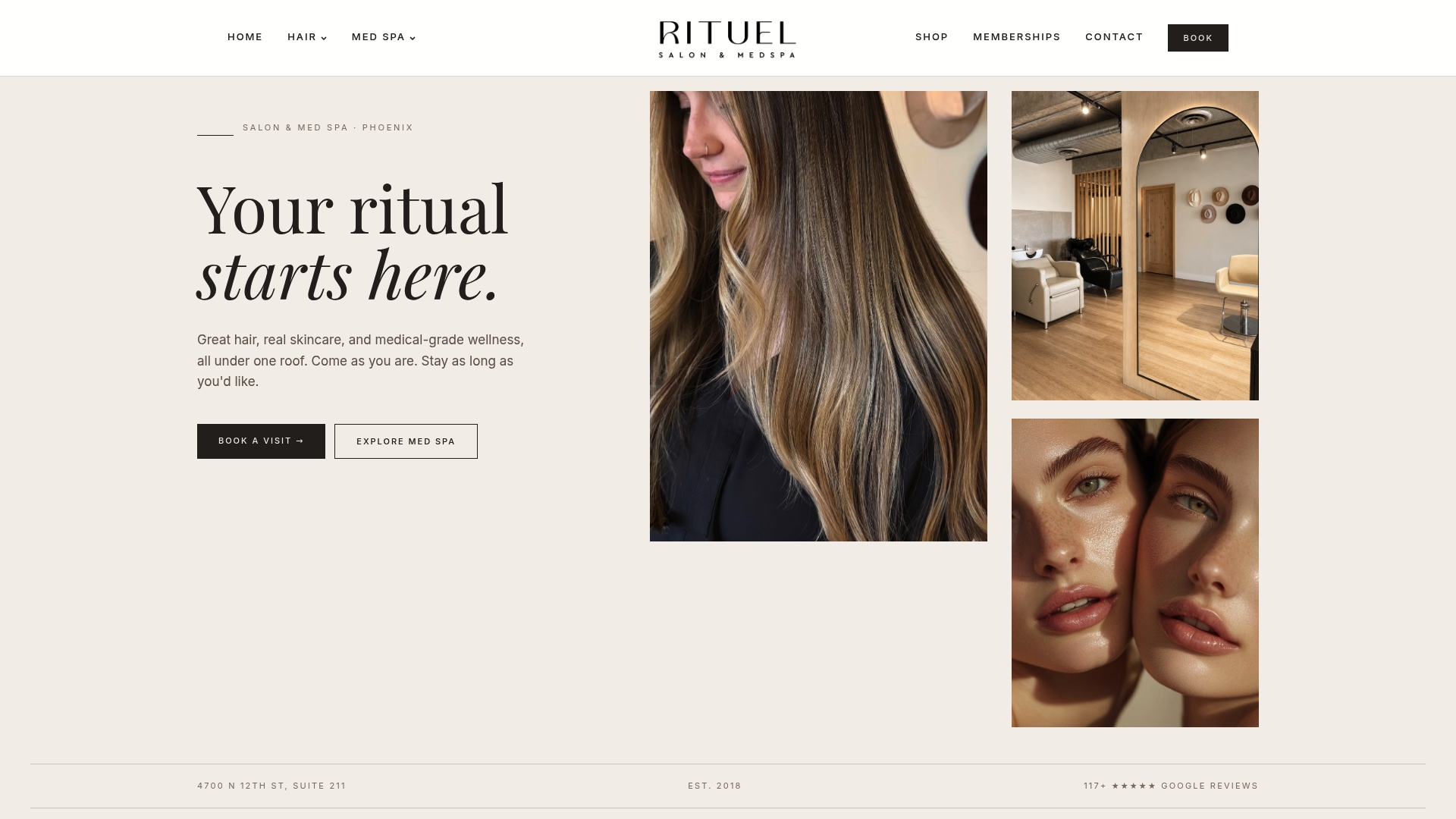
Rituel Salon & Med Spa, located at 4700 N 12th St in Phoenix’s central corridor, specializes in balayage and dimensional color designed to work with Phoenix’s climate rather than against it. The colorists at Rituel build maintenance plans into every color appointment, so you leave knowing exactly which products to use and how often. Whether you are maintaining a fresh color or considering a summer-friendly tone shift toward warmer, lower-maintenance shades, the team can guide you toward results that last. Book a consultation through the hair color services page to get a personalized plan built around your hair’s specific needs and Phoenix’s summer conditions.
FAQ
How often should I wash color-treated hair in Phoenix summer?
Wash color-treated hair two to three times per week during Phoenix summer. More frequent washing accelerates pigment loss, especially when combined with hard water and high UV exposure.
Does sunscreen work on hair the same way it does on skin?
Hair does not absorb traditional sunscreen, but UV-filter products formulated for hair create a similar protective barrier. Leave-in sprays and conditioners with UV filters are the correct format for hair photoprotection.
Why does my blonde hair turn brassy so fast in Phoenix?
Phoenix’s extreme UV index and hard water minerals both push blonde tones toward yellow and orange. UV oxidation shifts pigment toward warm tones, while calcium and magnesium deposits from hard water dull and discolor the strand simultaneously.
What is a chelating shampoo and do I need one in Phoenix?
A chelating shampoo contains agents like EDTA that bind to and remove mineral deposits from the hair shaft. In Phoenix’s hard water environment, using one monthly prevents mineral buildup that dulls color and causes brassiness.
Should I change my hair color for summer in Phoenix?
Warm, dimensional tones like honey blonde and bronde are genuinely lower maintenance in Phoenix summer because they work with the sun’s natural warming effect rather than against it. Cool and platinum blondes require more active toning and protection to stay on-tone through the season.