Blog · 11 min read
How Keratin Treatment Smooths Hair: Science and Results
June 2026
How Keratin Treatment Smooths Hair: Science and Results
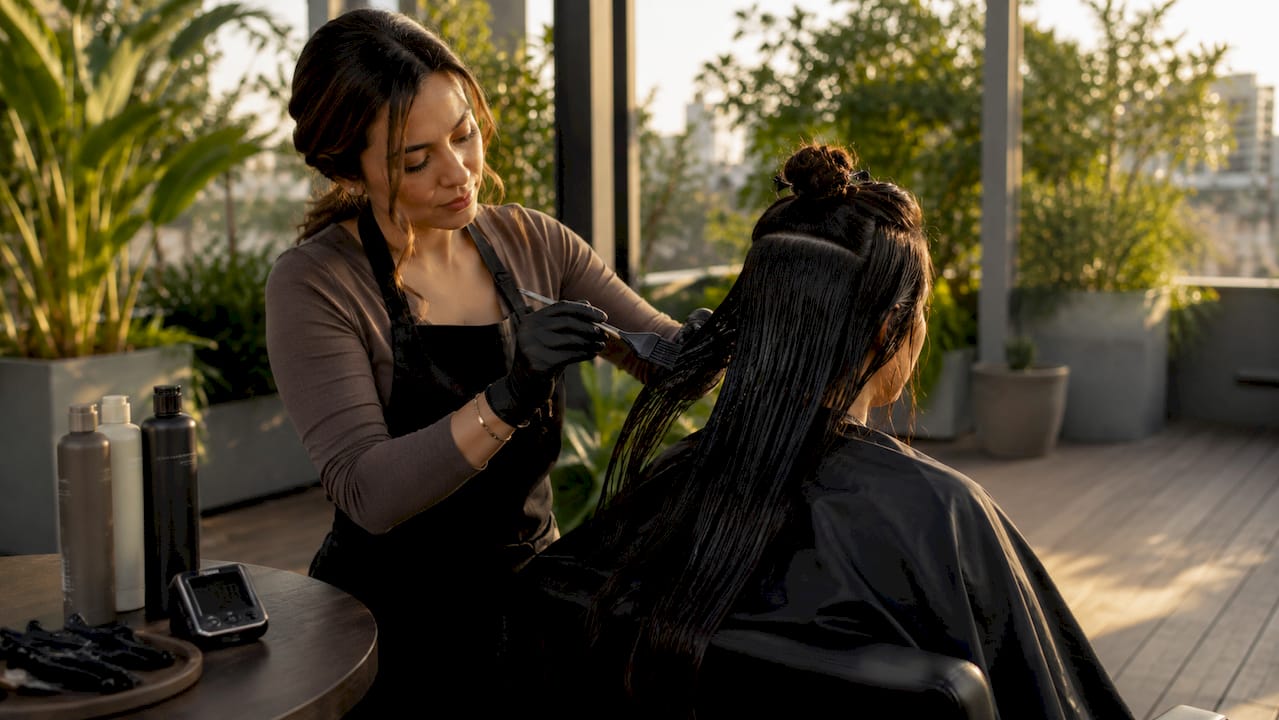
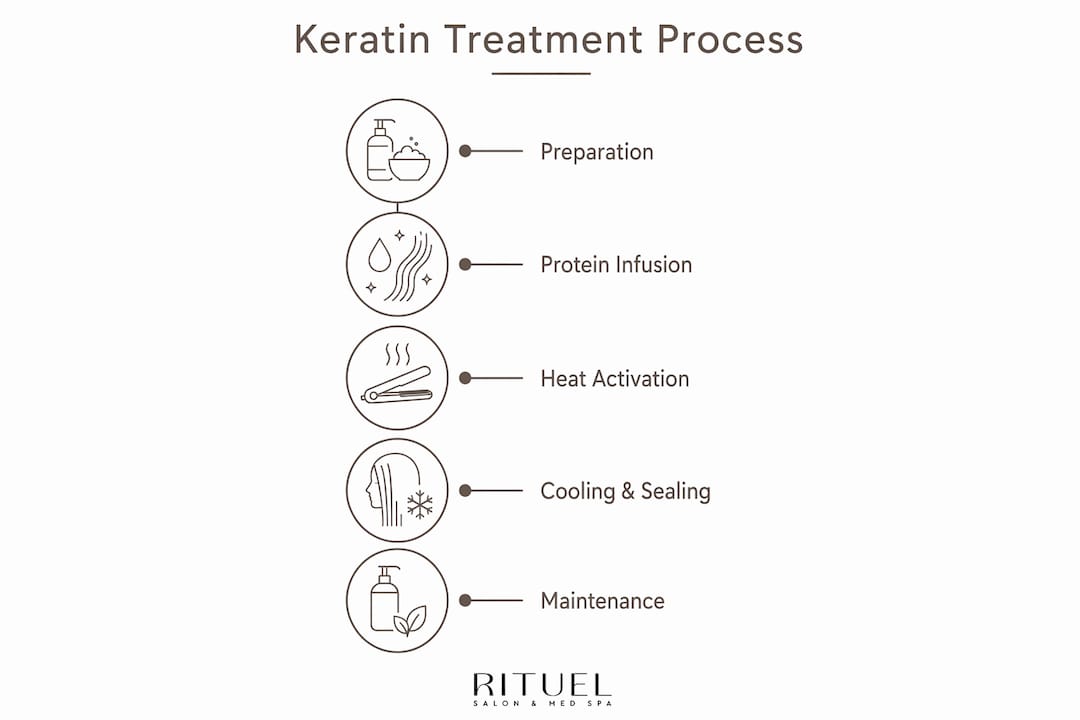
Keratin treatment is defined as a professional hair smoothing process that deposits hydrolyzed keratin proteins directly into the hair shaft and seals them with heat to reduce frizz, increase shine, and strengthen each strand. Understanding how keratin treatment smooths hair explains why it delivers results that regular conditioners and serums simply cannot match. The process works at a structural level, filling gaps in the hair cuticle and cortex rather than just coating the surface. Brands like Brazilian Blowout and professional formulas used in salons across the country have made this treatment one of the most requested services for anyone dealing with frizzy, unruly, or damaged hair.
How keratin treatment smooths hair at the structural level
Hair is made up of approximately 95% keratin protein, but daily exposure to heat, humidity, chemical processing, and mechanical stress depletes those proteins over time. The result is a roughened, porous cuticle that scatters light, traps moisture unevenly, and resists styling. A professional keratin treatment reverses this by reintroducing hydrolyzed keratin molecules directly into the hair fiber.
The molecular weight of the keratin used matters more than most people realize. Keratin molecules in professional treatments range from 50 to 3,000 Daltons. Smaller molecules penetrate deep into the hair cortex to repair internal bonds, while larger molecules smooth and fill the surface cuticle. This dual action is what separates a true professional keratin treatment from a drugstore protein mask.
The heat activation step is where the real transformation happens. Flat ironing at 350°F to 450°F initiates thermal polymerization, permanently bonding the keratin proteins into the hair’s protein matrix rather than leaving a temporary surface coating. This is not simply drying the hair. It is a chemical and structural event that locks the treatment into place.
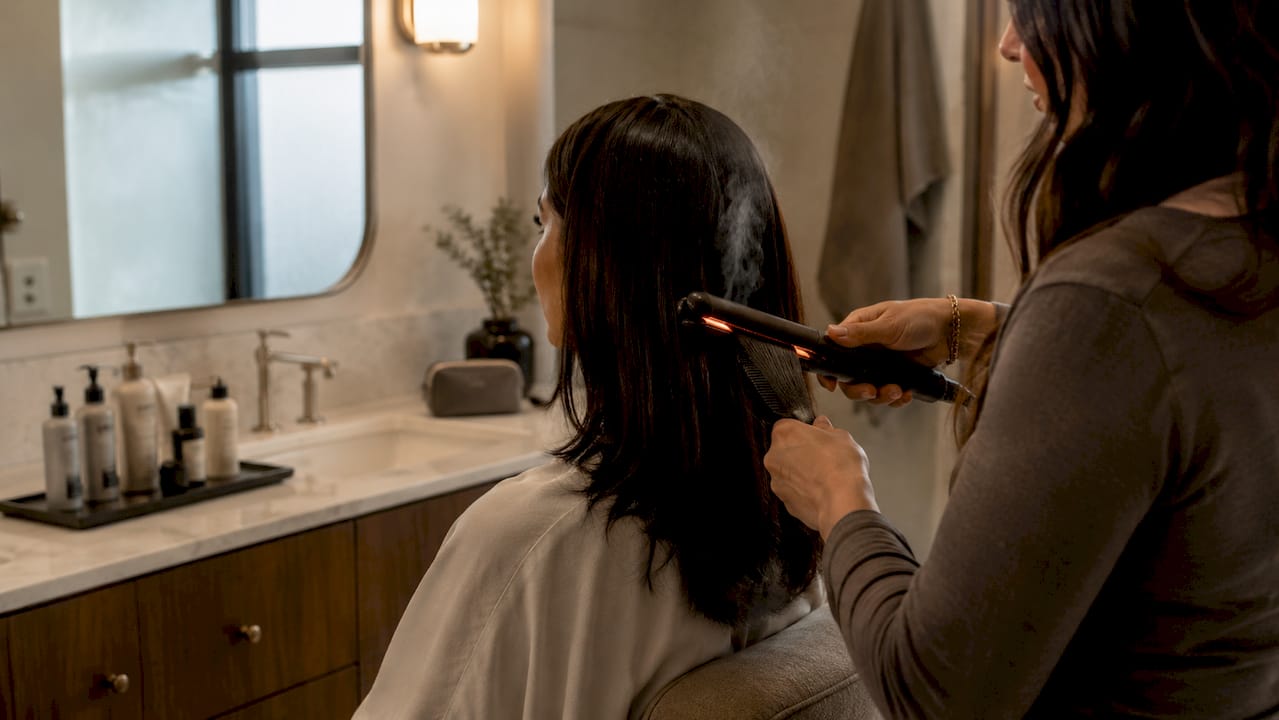
Pro Tip: Ask your stylist to section hair into thin, precise passes during the flat iron step. Thicker sections mean uneven heat distribution, which leads to patchy smoothing results.
The difference between structural integration and surface coating is the reason professional treatments outperform at-home alternatives. A surface coating washes away within a few shampoos. Structurally bonded keratin stays until the hair grows out or is physically removed by repeated washing and heat exposure.
What visible and tactile benefits does keratin treatment deliver?
The improvements you see and feel after a keratin treatment are directly tied to what happens at the cuticle and cortex. Studies show a 60% reduction in surface irregularities and a 45% increase in shine following professional keratin application. Those are not cosmetic illusions. They reflect measurable physical changes in the hair fiber.
Here is what those changes translate to in real terms:
- Frizz reduction: The smoothed, sealed cuticle blocks humidity from penetrating the hair shaft, which is the primary cause of frizz in climates like Phoenix. Keratin fills gaps in the cuticle and makes hair more manageable without permanently altering its natural texture.
- Increased shine: A flat, uniform cuticle reflects light consistently rather than scattering it in multiple directions. The 45% shine improvement documented in studies is visible to the naked eye within days of treatment.
- Stronger, thicker-feeling strands: Research documents a 49% increase in fiber diameter and a 40% improvement in mechanical properties after application. Hair feels denser and resists breakage more effectively.
- Faster styling: Because the cuticle is already smooth and the hair holds its shape better, blowout time drops significantly. Many clients report cutting their morning routine by 30 to 50 percent.
- Humidity resistance: This is the benefit that matters most in high-humidity environments. The sealed cuticle does not absorb atmospheric moisture the way untreated hair does, so styles last longer through the day.
These benefits compound. Stronger hair breaks less, which means length retention improves. Faster styling means less daily heat exposure, which preserves the treatment longer. The benefits of keratin treatment are genuinely interconnected, not isolated perks.
How long do keratin treatment results last?
Professional keratin treatments last between three and six months, but that range is wide for a reason. The actual duration depends on your hair’s porosity, the specific formula used, and how consistently you follow aftercare protocols.
| Factor | Effect on longevity |
|---|---|
| Hair porosity | High-porosity hair loses treatment benefits faster due to accelerated protein loss through open cuticle gaps |
| Shampoo choice | Sulfate-free formulas preserve the treatment significantly longer than sulfate-containing cleansers |
| Heat styling frequency | Daily flat ironing or blow-drying degrades the bonded keratin faster than air-drying or low-heat styling |
| Formula type | Professional salon formulas generally outlast retail or at-home kits by several weeks |
Research places effectiveness at roughly 70% at the three-month mark and approximately 40% at five months. This means the treatment does not disappear overnight. It fades gradually, which is why many clients schedule a refresh at the four to five month mark rather than waiting for full regression.
High-porosity hair is the most challenging to maintain. The same open cuticle structure that allowed the keratin to penetrate deeply also allows it to escape more readily with each wash. If your hair is chemically colored, bleached, or heat-damaged, expect results closer to the three-month end of the range unless you are diligent about aftercare.
How do keratin treatments compare with other smoothing methods?
Keratin treatment is a smoothing and frizz-reducing process, not a permanent straightener. That distinction separates it from several other methods on the market, and understanding the difference helps you choose the right service for your hair goals.
| Method | Mechanism | Permanence | Hair health impact |
|---|---|---|---|
| Keratin treatment | Infuses hydrolyzed proteins, heat-sealed into cuticle and cortex | 3 to 6 months | Generally low risk; improves strength |
| Chemical relaxer | Breaks disulfide bonds to permanently restructure hair | Permanent until grown out | High; irreversible structural change |
| Japanese straightening | Permanently alters hair bonds using thioglycolate and heat | Permanent until grown out | High; requires precise application |
| Brazilian Blowout | Customizable smoothing with immediate rinse-out option | 10 to 12 weeks typically | Low to moderate; formula-dependent |
A keratin treatment relaxes waves and reduces puffiness by smoothing the cuticle flat, but your natural curl or wave pattern returns as the treatment fades. Relaxers and Japanese straightening permanently break and reform the hair’s disulfide bonds. That is a fundamentally different process with a fundamentally different risk profile.
Brazilian Blowout deserves a specific note. Newer Brazilian Blowout formulas rinse out immediately after application, which makes the process faster and more convenient. Traditional keratin treatments often require a 3 to 4 day no-wash, no-ponytail setting period to allow the bonds to fully form. If convenience is a priority, the formula your stylist selects matters as much as the treatment category itself.
What care routine protects your keratin treatment results?
The steps you take in the first two weeks after treatment determine how long your results last. Following a consistent aftercare routine is not optional. It is the difference between three months of smoothness and five months of smoothness.
- Switch to sulfate-free shampoo immediately. Sulfates strip the keratin proteins from the hair shaft with every wash. Products like Pureology Hydrate or Joico Moisture Recovery are formulated without sulfates and preserve the treatment significantly longer.
- Respect the no-wash window. After-treatment protocols vary by formula, but if your stylist specifies a 3 to 4 day waiting period before washing, follow it exactly. Washing too early disrupts the bonding process before it completes.
- Avoid tying hair during the setting period. Elastics, clips, and even sleeping with hair pinned can leave permanent creases in freshly treated hair before the bonds have fully set.
- Use a heat protectant every time you style. Reducing heat styling frequency is ideal, but when you do use a flat iron or blow-dryer, a product like Kenra Platinum Silkening Mist creates a barrier that slows keratin degradation.
- Balance protein with moisture. This is the step most people skip. Protein overload occurs when keratin treatments are applied too frequently without moisturizing steps in between, making hair stiff and brittle. Alternate protein-rich treatments with deeply hydrating masks every two to three weeks.
Pro Tip: A weekly deep conditioning mask with ingredients like shea butter or argan oil counteracts the drying effect that some keratin formulas produce, keeping hair soft rather than stiff.
Understanding protein and moisture balance is the single most overlooked aspect of keratin aftercare. Hair that feels crunchy or snaps easily after a treatment is not a sign of damage from the keratin itself. It is a sign that moisture has been neglected.
Key takeaways
Keratin treatment smooths hair by structurally bonding hydrolyzed proteins into the hair shaft with heat, delivering measurable improvements in frizz, shine, and strength that last three to six months with proper care.
| Point | Details |
|---|---|
| Structural integration | Keratin molecules penetrate the cortex and cuticle, not just coat the surface, for lasting results. |
| Heat activation is critical | Flat ironing at 350°F to 450°F triggers thermal polymerization that bonds keratin permanently into hair. |
| Results are measurable | Studies document up to 60% reduction in surface irregularities and 45% increase in shine post-treatment. |
| Longevity depends on aftercare | Sulfate-free shampoo and avoiding frequent heat styling extend results from three months toward six. |
| Protein balance matters | Frequent treatments without moisturizing steps cause protein overload, leading to stiff or brittle hair. |
What I’ve learned about keratin treatments after years in the salon
Most clients come in expecting keratin to permanently straighten their hair. When I explain that it smooths and manages rather than permanently restructures, some are disappointed. They shouldn’t be. The distinction is actually what makes keratin treatments so much safer and more versatile than relaxers.
The clients who get the best results are the ones who match the treatment to their actual hair goals. If you want to eliminate frizz and cut your styling time in half, keratin is exceptional. If you want bone-straight hair with zero wave, you are looking at a different service entirely. Clarity on that point before the appointment saves everyone frustration.
I also see protein overload more often than I’d like, usually from clients who stack keratin treatments every two months without any moisturizing protocol in between. The hair becomes stiff and eventually brittle. The fix is simple: treat keratin as one part of a balanced hair care routine, not the whole routine. Pair it with regular deep conditioning and you will get far better long-term results.
At-home keratin kits have improved, but they still cannot replicate what a professional application delivers. The difference between professional and DIY results comes down to product strength, application precision, and the heat-sealing step. A flat iron at home rarely reaches or maintains the consistent temperature range that initiates proper thermal polymerization. For a treatment that works at the molecular level, the application environment genuinely matters.
— Victor
Smooth, lasting results at Rituel Salon in Phoenix
Rituel Salon & Med Spa in Phoenix offers professional keratin smoothing treatments using premium formulas selected for your specific hair type, texture, and goals. Phoenix desert humidity is a different beast, and the team at Rituel understands exactly how to formulate and apply treatments that hold up in this climate. Every service includes a personalized consultation so your stylist can recommend the right formula, set realistic expectations, and build an aftercare plan that extends your results. Beyond keratin, Rituel’s full hair services menu includes blowouts, balayage, color, and extensions for a complete hair transformation experience. Book your consultation at Rituel Salon & Med Spa at 4700 N 12th St, Suite 211 in Phoenix.
FAQ
What does keratin treatment actually do to hair?
Keratin treatment infuses hydrolyzed keratin proteins into the hair shaft and seals them with heat, smoothing the cuticle and filling structural gaps. The result is reduced frizz, increased shine, and stronger, more manageable hair.
Does keratin treatment work on all hair types?
Keratin treatment works on most hair types, including color-treated, wavy, and coarse hair, though results vary. High-porosity and chemically processed hair may see faster fading and requires more diligent aftercare to maintain smoothness.
How long does a keratin treatment last?
Professional keratin treatments last three to six months, with roughly 70% effectiveness at three months and approximately 40% at five months. Sulfate-free shampoo and reduced heat styling extend results toward the longer end of that range.
Is keratin treatment the same as a relaxer?
No. Keratin treatment smooths the cuticle and reduces frizz without permanently altering the hair’s bond structure, while relaxers chemically break disulfide bonds for permanent straightening. Keratin effects fade naturally as the treatment grows out.
How soon can you wash hair after a keratin treatment?
Washing timelines depend on the formula used. Traditional keratin treatments require a 3 to 4 day no-wash period to allow bonds to set fully, while newer formulas like Brazilian Blowout allow immediate rinsing after application.