Blog · 11 min read
Precision Haircut: Find the Right Stylist in Phoenix
June 2026
Precision Haircut: Find the Right Stylist in Phoenix
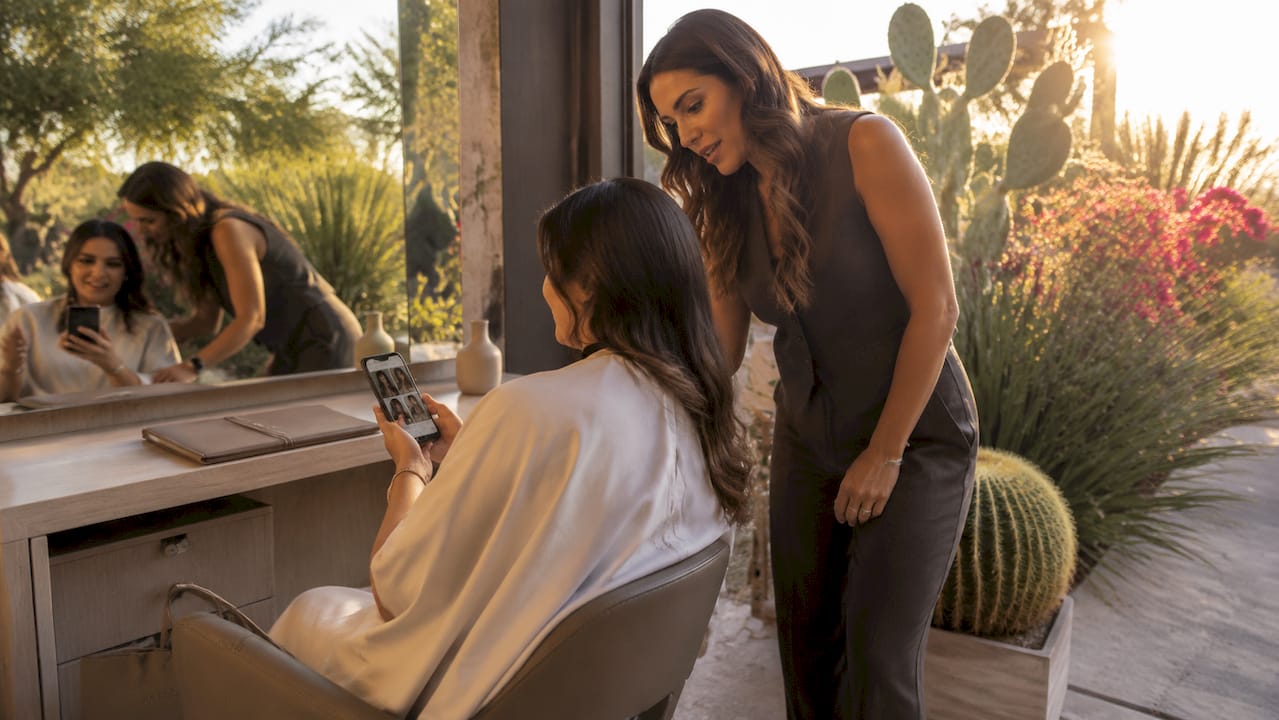
A precision haircut is a personalized, highly detailed cut shaped to your face structure, hair density, growth patterns, and daily routine for effortless style and lasting shape. The industry term is “precision cutting,” and it differs from a standard trim in one critical way: every angle, section, and weight point is planned before scissors touch your hair. For Phoenix women, finding the right stylist for a precision cut means more than booking whoever has an opening. It means matching your specific hair type to a specialist who understands structure, consults deeply, and designs a cut that works in Phoenix heat, not just in the salon chair.
How to find the right stylist for a precision haircut
The best stylist for precision cuts is not necessarily the most popular one on Instagram. The right match is the one whose technical skills align with your hair texture, lifestyle, and maintenance tolerance. Precision haircuts start with a detailed consultation covering face shape, bone structure, hair density, growth patterns, and texture. That level of specificity is what separates a precision cut from a generic shape-up.
Skilled precision cutters approach each haircut as an architectural project. They plan angles, balance, and proportion before cutting rather than improvising mid-session. If a stylist skips the consultation and goes straight to the shampoo bowl, that is a red flag. The consultation is where a trusted stylist for haircuts earns your confidence, and where you gather the information you need to make a smart decision.

What does your hair type tell you about the right specialist?
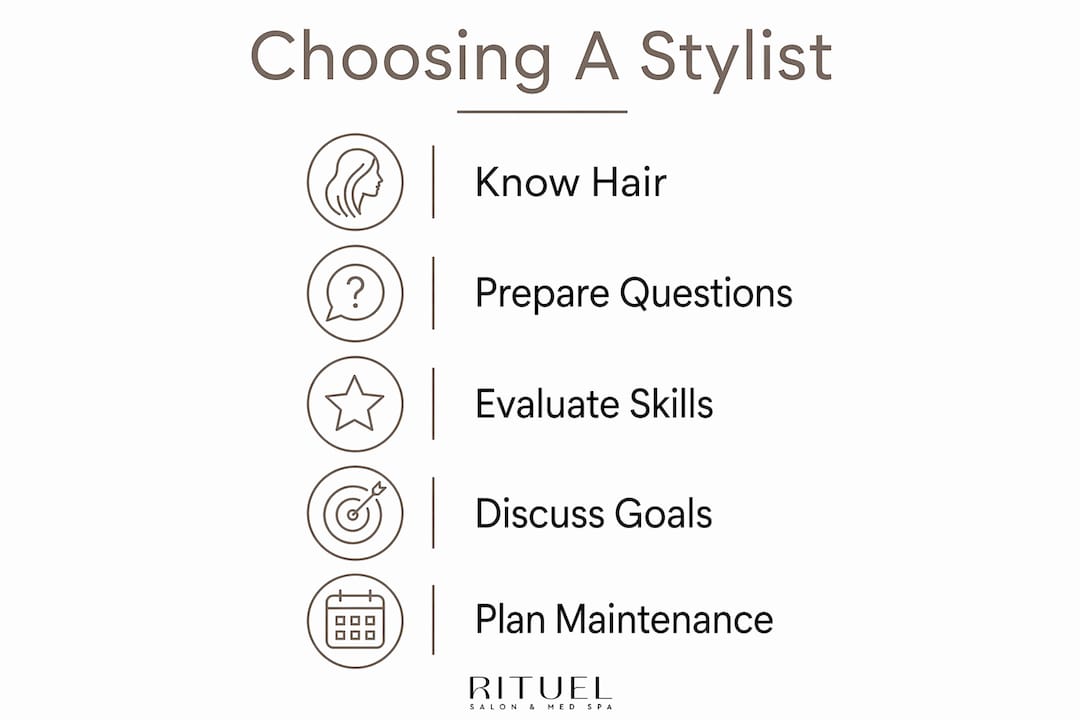
Understanding your own hair is the first step to finding a skilled hairdresser who can serve it well. Before you book a single appointment, assess these four characteristics:
- Texture: Is your hair fine, medium, or coarse? Fine hair needs a stylist who specializes in targeted weight removal and volume preservation, not random thinning or heavy layering.
- Density: How much hair do you actually have per square inch of scalp? Low-density hair requires a completely different cutting approach than high-density hair.
- Growth patterns: Cowlicks, widow’s peaks, and directional growth all affect how a cut falls. A precision stylist maps these before cutting.
- Chemical history: Color-treated, relaxed, or keratin-treated hair behaves differently under tension. Not all stylists specialize in chemically treated hair, so this matters when narrowing your search.
- Daily styling routine: How much time do you spend on your hair each morning? A cut that requires 30 minutes of blowdrying is not a good fit for a five-minute routine.
Phoenix desert air is a different beast from coastal humidity. The dry climate here can make fine hair go flat and curly hair go frizzy within hours. Your stylist needs to factor in local climate conditions when designing your cut, not just how it looks in the salon.
Pro Tip: Write down your answers to these five points before your consultation. Handing a stylist a clear summary of your hair history and daily routine cuts consultation time in half and immediately signals that you are a prepared, informed client.
Not every stylist performs equally well across all hair types. Specialists understand the nuances of their focus area, and client reviews often reveal consistency with specific textures. Search specifically for stylists whose portfolios show work on hair like yours.
How should you prepare for a precision haircut consultation?
Preparation is what separates a productive consultation from a frustrating one. Follow these steps before you walk through the door:
- Gather 3 to 5 reference photos. Choose images that reflect your actual hair texture and natural state. Mismatched inspiration images lead to unachievable expectations and poor outcomes. A photo of a model with thick, straight hair is not useful if you have fine, wavy hair.
- Add one or two “no-go” images. Showing a stylist what you absolutely do not want is just as useful as showing what you love. It removes guesswork and prevents miscommunication.
- Ask about maintenance timing upfront. A precision bob typically needs a trim every six weeks, while textured layers can last 10–12 weeks. Ask your stylist about grow-out behavior and total service cost before committing.
- Ask about styling time at home. A cut that looks great in the salon but requires tools and products you do not own is not the right cut for you.
- Request full cost transparency. Precision cuts at luxury salons in Phoenix vary in price. Ask for the complete cost including any finishing services before your appointment begins.
Pro Tip: Bring your hair to the consultation in its natural state, not freshly blown out. A stylist who sees how your hair actually behaves has far more useful information to work with than one who sees a styled version.
Discussing face-framing, maintenance time, and growth plans during the consultation helps avoid post-cut styling pitfalls. The consultation is where your expectations and the stylist’s expertise either align or diverge. If they diverge, better to know before the cut than after.
What should you look for when evaluating a stylist?
Evaluating a stylist goes beyond checking their social media. Here is what actually matters:
- Active listening. The best stylists listen first and understand your lifestyle before suggesting cuts. A stylist who talks more than they listen during a consultation is not gathering the information they need.
- Tailored questions. A skilled stylist asks about your hair history, styling habits, and long-term goals. Generic questions signal a generic approach.
- Honest feedback. If you bring a photo that does not suit your hair type, a good stylist tells you directly and offers an alternative. A stylist who agrees with everything you say is not serving your best interest.
- Portfolio specificity. Look for before-and-after photos on hair types similar to yours. A portfolio full of thick, straight hair does not tell you much if you have fine, curly hair.
- Non-pushy product recommendations. A stylist who recommends products should explain why each one serves your specific cut. Blanket recommendations or pressure to buy are signs of a sales-first approach.
A diagnostic first visit often includes an evaluation of hair history, styling commitment, and growth patterns. The stylist may not finalize the cut in one session. That patience is a sign of expertise, not indecision. For personalized haircut recommendations, look at the before and after results from real clients to gauge what a salon’s stylists actually deliver.
Wet vs. dry cutting: why the technique matters for your results
Precision cutting technique directly affects how your haircut performs at home. The two primary methods are wet cutting and dry cutting, and each serves different hair types and goals.
| Method | Best For | Key Advantage | Limitation |
|---|---|---|---|
| Wet cutting | Straight, fine, or color-treated hair | Clean lines, controlled sectioning | Hair behaves differently once dry |
| Dry cutting | Curly, wavy, or textured hair | Shows real-life behavior and shrinkage | Requires more time and skill |
| Combination | Most hair types | Balances precision with natural movement | Depends on stylist experience |
Cutting hair dry reveals how hair behaves in real life, helping create a cut that holds its shape after leaving the salon. Wet hair lies flat and changes significantly as it dries. This is especially relevant in Phoenix, where dry heat and low humidity affect curl pattern and volume in ways that a wet cut cannot fully account for.
Dry cutting a precision haircut typically takes 45–60 minutes including consultation and review. That time investment is intentional. A stylist who rushes through a precision cut is not practicing precision at all.
A truly skilled precision cutter can also describe exactly how your cut will look three, six, and ten weeks after the appointment. If a stylist cannot explain the grow-out behavior and styling impact weeks later, the cut is not truly precision. That grow-out plan is part of what you are paying for. For clients considering additional texture management, a Brazilian blowout can complement a precision cut by controlling frizz between appointments.
Key takeaways
Finding the right stylist for a precision haircut requires knowing your hair type, preparing specific references, and evaluating a stylist’s listening skills and technical specialization before committing.
| Point | Details |
|---|---|
| Know your hair first | Assess texture, density, growth patterns, and chemical history before booking any consultation. |
| Prepare reference photos | Bring 3 to 5 images matching your actual hair type, plus one “no-go” image to prevent miscommunication. |
| Ask about grow-out upfront | A precision stylist should describe how your cut behaves at 3, 6, and 10 weeks after the appointment. |
| Match stylist to hair type | Specialists in curly, fine, or chemically treated hair deliver better results than generalists for those textures. |
| Dry cutting matters in Phoenix | Phoenix’s dry climate makes dry-cut precision more accurate because it reflects real-life hair behavior. |
What i’ve learned about precision cuts after years in phoenix salons
The single biggest mistake I see women make is choosing a stylist based on a salon’s reputation rather than that specific stylist’s portfolio. A luxury address does not guarantee a stylist who understands fine hair or curly texture. The stylist’s hands matter more than the salon’s name on the door.
The second mistake is rushing the first visit. A diagnostic consultation that does not end in a cut is not a wasted appointment. It is the most valuable appointment you will have. You learn how the stylist thinks, whether they listen, and whether their instincts match your needs. That information is worth more than saving one session’s fee.
Phoenix’s climate adds a layer of complexity that stylists elsewhere do not always account for. The desert air strips moisture from hair quickly, which means a cut that looks perfect in a humidity-controlled salon can behave very differently by the time you reach your car. A stylist who factors in local conditions when designing your cut is not just being thorough. They are being accurate.
My honest advice: prioritize fit over fame. The right stylist for you may not have 50,000 followers. They may have a quiet book of loyal clients who keep coming back because their cuts work in real life, not just in photos. That loyalty is the most reliable signal of skill you will find.
— Victor
Book a precision haircut at rituel salon & med spa in phoenix
Rituel Salon & Med Spa offers precision haircuts tailored to your specific hair type, face structure, and lifestyle at our Phoenix location on N 12th St. Our stylists specialize in diverse textures and cutting techniques, including dry cutting for curly and wavy hair and structured wet cutting for fine and straight hair.

Every appointment begins with a thorough consultation so your stylist understands your hair history, daily routine, and styling goals before scissors are picked up. Explore our full range of hair services in Phoenix and book your precision haircut consultation today. If you are considering color alongside your cut, our balayage specialists can design a look that works with your new shape from day one.
FAQ
What exactly is a precision haircut?
A precision haircut is a structured cut designed around your face shape, hair density, growth patterns, and texture. Every angle and section is planned before cutting to create a shape that holds and grows out cleanly.
How do i know if a stylist specializes in my hair type?
Review the stylist’s portfolio for before-and-after photos on hair similar to yours in texture and density. Client reviews that mention specific hair types are also a reliable indicator of consistent expertise.
How often do precision haircuts need to be maintained?
Maintenance depends on the style. A precision bob typically requires a trim every six weeks, while textured layers last 10–12 weeks. Ask your stylist for a specific timeline during your consultation.
Is dry cutting better than wet cutting for precision results?
Dry cutting is more accurate for curly and wavy hair because it shows how the hair actually behaves. Wet cutting works well for straight and fine hair where controlled sectioning is the priority. Many skilled stylists use a combination of both.
What questions should i ask at my first precision haircut consultation?
Ask about grow-out behavior, at-home styling time, maintenance schedule, and total cost. Also ask the stylist to describe what your hair will look like six weeks after the cut. A confident, specific answer signals real precision expertise.
Recommended
- Hair Salon Phoenix AZ | Balayage, Color, Extensions | Rituel Salon
- How to Fight Frizz in Phoenix’s Desert Climate | Rituel Salon Phoenix AZ
- Cómo Combatir el Frizz en el Clima Desértico de Phoenix | Rituel Salon Phoenix AZ
- Best Facials in Phoenix AZ | HydraFacial & DiamondGlow from $199 | Rituel Med Spa