Blog · 12 min read
What Is Balayage Hair Color? Your Complete Guide
June 2026
What Is Balayage Hair Color? Your Complete Guide
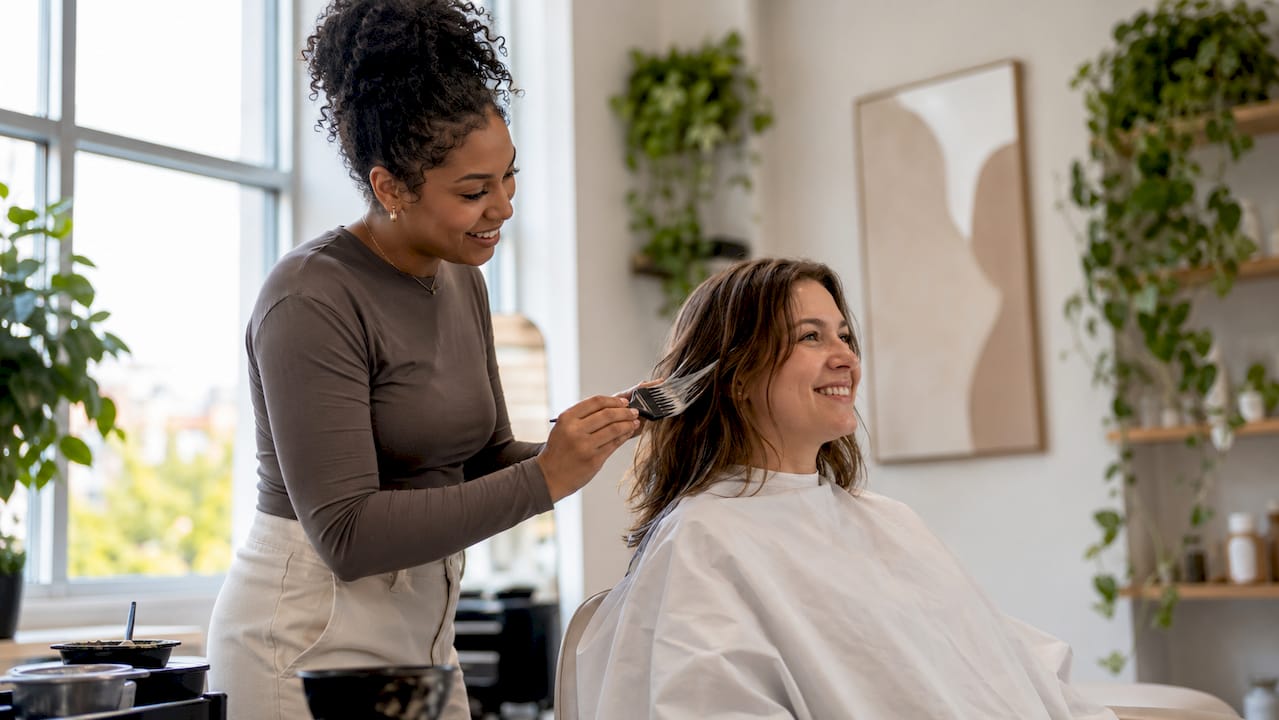
Balayage hair color is a freehand painting technique where color is swept directly onto the hair surface without foils, creating a natural, sun-kissed gradient that grows out softly and requires far less maintenance than traditional highlights. The word “balayage” comes from the French verb meaning “to sweep,” and that sweeping motion is exactly what defines the technique. Unlike foil highlights, which section hair into uniform strips, balayage gives a colorist full artistic control over placement, depth, and tone. The result is a personalized look that moves with your hair and flatters your features rather than following a formula.
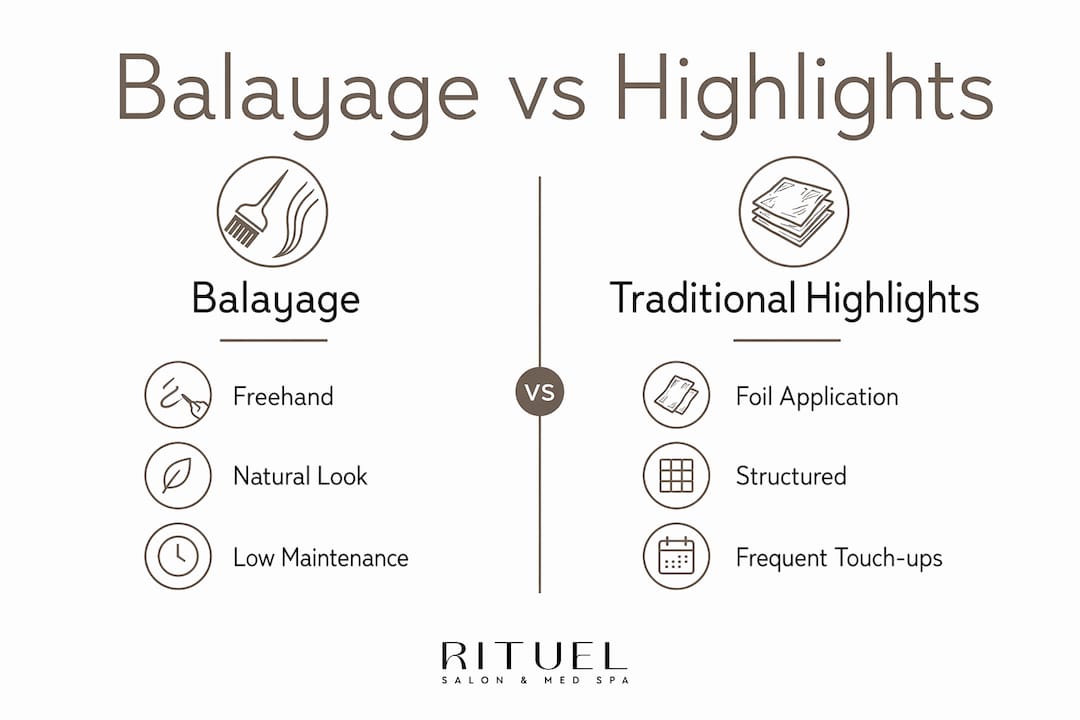
What is balayage hair color vs. traditional highlights and ombre?
Understanding how balayage compares to other coloring methods makes it easier to choose the right technique for your goals.
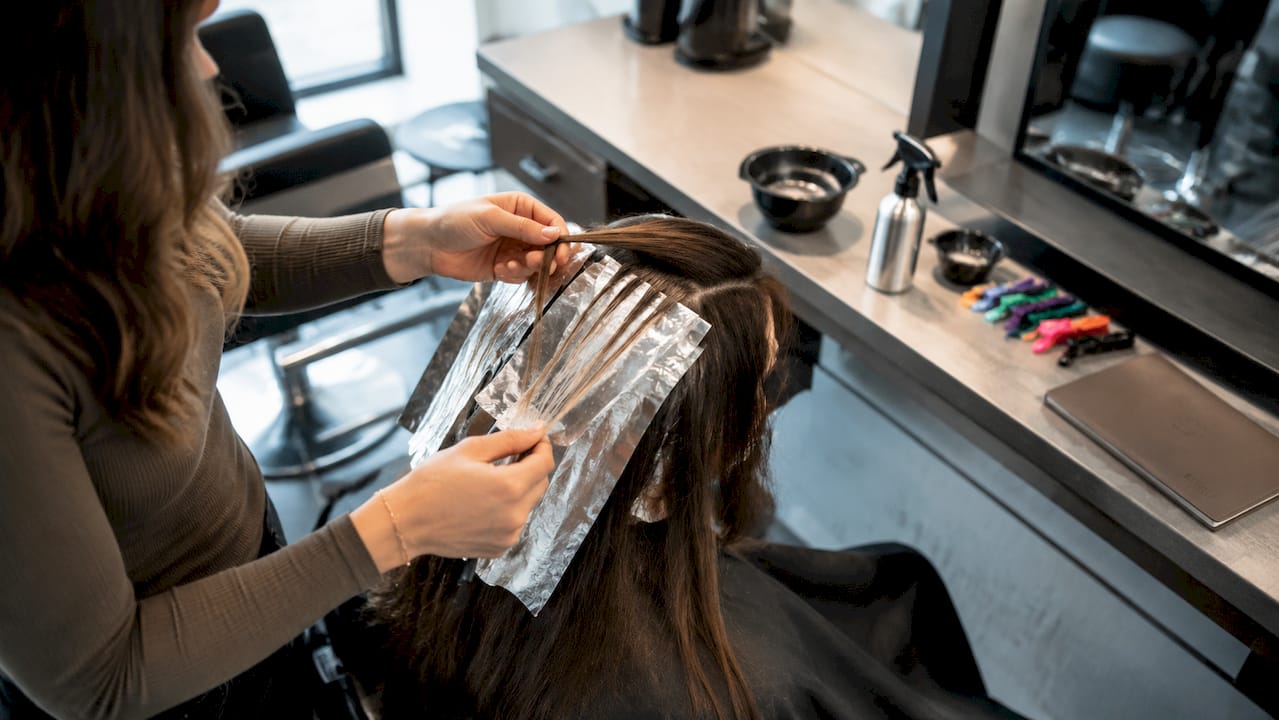
Traditional foil highlights use a structured application process. A colorist weaves or slices sections of hair, wraps them in foil, and applies lightener. The result is uniform, high-contrast brightness from root to tip. Regrowth appears as a sharp, visible line, which is why most clients return every 6–8 weeks to maintain the look.
Ombre is a color technique that creates a bold, deliberate transition from dark roots to light ends. The contrast is intentional and dramatic. Ombre is a specific visual style, while balayage is an application method. You can achieve an ombre effect using balayage, but the two terms are not interchangeable.
Balayage grows out softly without harsh lines, because color is painted from mid-shaft to ends rather than applied at the root. That soft regrowth is one of the technique’s defining advantages.
| Feature | Balayage | Traditional Highlights | Ombre |
|---|---|---|---|
| Application method | Freehand painting | Foil wrapping | Blended color melt |
| Root appearance | Soft, natural grow-out | Visible regrowth line | Dark root is intentional |
| Maintenance frequency | Every 3–6 months | Every 6–8 weeks | Every 3–4 months |
| Visual effect | Natural, sun-kissed gradient | Uniform brightness | Bold dark-to-light contrast |
| Customization level | High | Moderate | Moderate |
Pro Tip: If you want low maintenance and a natural look, balayage is your best option. If you want maximum brightness from root to tip, foil highlights deliver more uniform lift. If you love bold contrast, ombre is the cleaner choice.
What are the key benefits of balayage?
Balayage requires fewer salon visits and offers a longer-lasting, more natural appearance than foil highlights. That single fact changes the math on long-term color costs significantly.
The benefits go beyond scheduling convenience. Because color is applied selectively rather than uniformly, balayage works with your hair’s natural movement and light reflection. The result looks like your hair has been kissed by the sun, not processed in a salon.
Here are the core advantages that make balayage one of the most requested color services today:
- Natural grow-out. Color painted from mid-shaft to ends leaves roots untouched, so regrowth blends in rather than creating a stark line.
- Personalized placement. A skilled colorist places color based on your face shape, hair texture, and how light naturally falls on your hair.
- Less frequent touch-ups. Most clients return every 3–6 months rather than every 6–8 weeks, which reduces both time and cost.
- Works on all hair types. Fine, thick, curly, and straight hair all respond well to balayage when the technique is adapted correctly.
- Reduced heat and chemical exposure. No foils means less trapped heat during processing, which can be gentler on the hair shaft over time.
- Versatile color range. From subtle caramel on dark hair to bright champagne on light hair, the technique adapts to a wide spectrum of tones.
Pro Tip: Ask your colorist to show you their portfolio before your appointment. Balayage results vary significantly based on the stylist’s skill level. A strong portfolio tells you more than any consultation question.
How do stylists customize balayage for your hair?
Balayage is a personalized strategy, not a standardized service. A skilled colorist treats your hair like a canvas, making placement decisions based on your natural hair color, texture, cut, and face shape. Two clients can sit in the same chair requesting “balayage” and walk out with completely different results. That is the point.
Here is how a professional colorist adapts the technique:
- Base hair color. Dark hair naturally lifts to caramel or toffee tones, while lighter hair can achieve bright blondes or champagne shades. The colorist works with your natural pigment rather than against it.
- Hair texture. Curly and wavy hair requires wider, more deliberate color sections so the effect reads clearly when hair is dry and styled. Straight hair shows finer, more precise placement.
- Haircut shape. Layers and movement in a cut influence where color is placed to enhance dimension. A blunt cut gets different placement than a heavily layered style.
- Face shape and skin tone. A colorist frames your face with lighter pieces where natural light would hit, typically around the temples and front sections.
- Lifestyle and routine. If you air-dry your hair daily, your colorist places color to look its best in your natural texture. If you blow out your hair regularly, placement shifts to optimize how the color reads when styled.
One important nuance: balayage is a technique, not a specific color. You must communicate your desired tone clearly during your consultation. For clients with very dark hair who want significant brightness, a colorist may recommend foilyage. Foilyage combines foils with the freehand painting method to achieve higher lift while preserving the soft, blended finish balayage is known for.
The consultation is not a formality. It is where the colorist gathers the information needed to make the right artistic decisions for your specific hair.
What does balayage hair maintenance actually look like?
Balayage maintains appointments every 3–6 months versus every 6–8 weeks for foil highlights. That difference adds up to roughly four fewer salon visits per year for most clients.
The reduced frequency is possible because color painted from mid-shaft to ends leaves roots untouched. As your hair grows, the natural root blends into the painted sections rather than creating a hard line. You are not racing against a visible regrowth clock.
Here is a practical maintenance routine to keep your balayage looking its best between appointments:
- Switch to a color-safe shampoo. Sulfate-free formulas like those from Olaplex, Pureology, or Redken Color Extend protect the integrity of lightened hair and slow color fade.
- Use a weekly deep conditioning treatment. Lightened hair loses moisture faster than untreated hair. A bond-building mask, such as Olaplex No. 3 or Schwarzkopf BC Bonacure, restores strength and shine.
- Limit heat styling when possible. Frequent use of flat irons and curling wands accelerates color fade and dryness. When you do heat style, apply a thermal protectant first.
- Protect your hair from UV exposure. Phoenix sun is particularly intense. UV rays break down color molecules in lightened hair, so a UV-protective hair spray or leave-in conditioner is worth adding to your routine. You can find specific guidance in this Phoenix summer color guide.
- Rinse with cool water. Hot water opens the hair cuticle and accelerates color loss. A cool rinse at the end of your shower helps seal the cuticle and lock in moisture.
- Schedule a gloss or toner between full appointments. A toning service every 8–10 weeks refreshes tone and adds shine without the cost or time of a full balayage session.
The magic of balayage lies in how it blends without harsh regrowth lines, giving you more flexibility between appointments. That flexibility is only preserved when you protect the color at home.
What are the best balayage colors for different skin tones?
Balayage works on all hair colors, and the best shade depends on your skin’s undertone rather than a trend calendar. The technique’s strength is that it enhances your natural coloring rather than overriding it.
Here is a breakdown of popular balayage shades and which complexions they flatter most:
- Creamy blonde and champagne. Best for fair to light skin with cool or neutral undertones. These tones brighten the face without washing out lighter complexions.
- Caramel and honey. Flattering on medium skin tones with warm or neutral undertones. These shades add warmth and depth without looking harsh.
- Toffee and chestnut. Ideal for olive and medium-deep skin tones. The contrast between the base and painted sections reads as rich and dimensional.
- Auburn and copper. Striking on fair to medium skin with warm undertones. These shades are having a strong moment in 2026 and work particularly well on natural redheads looking to add depth.
- Espresso and dark chocolate. A subtle balayage on deep base colors creates dimension without dramatic lightening. This approach suits deeper skin tones beautifully.
| Skin Tone | Recommended Balayage Shades |
|---|---|
| Fair, cool undertones | Champagne, platinum blonde, ash blonde |
| Fair to medium, warm undertones | Honey blonde, golden caramel |
| Medium, neutral undertones | Caramel, toffee, light brown |
| Olive, warm undertones | Chestnut, auburn, copper |
| Deep, warm or neutral undertones | Espresso, dark chocolate, subtle bronze |
Pro Tip: Combining balayage with a textured cut or hair extensions amplifies the dimensional effect significantly. Extensions add length and volume, and when color-matched to your balayage, they make the gradient appear even more natural and full.
Key takeaways
Balayage is the most low-maintenance, personalized color technique available, delivering natural results that grow out gracefully and require salon visits only every 3–6 months.
| Point | Details |
|---|---|
| Core definition | Balayage is a freehand painting technique that creates a soft, natural gradient without foils. |
| Maintenance advantage | Most clients return every 3–6 months, compared to every 6–8 weeks for foil highlights. |
| Customization is critical | Colorist skill in placement based on texture, cut, and face shape determines the final result. |
| Color is not one-size-fits-all | Dark hair lifts to caramel or toffee; lighter hair achieves champagne or blonde tones. |
| At-home care extends results | Sulfate-free shampoo, deep conditioning, and UV protection preserve color between appointments. |
Why balayage is an art form, not just a service
I have worked with enough clients to say this clearly: balayage done well is one of the most technically demanding color services in a salon. It looks effortless because a skilled colorist made hundreds of small decisions before touching your hair.
The biggest mistake I see is clients treating balayage like a commodity. They book based on price, skip the consultation, and bring in a photo expecting an exact copy. Balayage does not work that way. Stylists adapt tones to your existing hair and desired outcome, not to a photo of someone with completely different hair. The photo is a direction, not a blueprint.
What I find most rewarding about balayage is the grow-out conversation. Clients who have spent years chasing foil highlight regrowth are genuinely surprised when they realize they can go three months without looking like they missed an appointment. That freedom changes how they relate to their hair.
My honest recommendation: review your colorist’s portfolio before you book, not after. Look specifically for results on hair similar to yours in texture and base color. A colorist who excels at balayage on fine blonde hair may not have the same depth of experience with dark, coarse hair. The technique is the same. The execution is very different.
Prioritize the consultation. Ask your colorist to explain their placement strategy for your specific hair. If they cannot articulate it, keep looking.
— Victor
Experience expert balayage at rituel salon & med spa in phoenix
If you are ready to try balayage or want to refresh your current color, Rituel Salon & Med Spa in Phoenix specializes in hand-painted balayage with personalized consultations for every client. The colorists at Rituel adapt placement, tone, and technique to your specific hair type, lifestyle, and goals. No two results look the same, and that is exactly the point.
Located at 4700 N 12th St, Suite 211 in Phoenix’s central corridor, Rituel Salon & Med Spa offers a full range of hair color services including balayage, color correction, and highlights. Book your consultation today and let an expert colorist create a look that works with your hair, not against it.
FAQ
What is balayage hair color in simple terms?
Balayage is a freehand hair-painting technique where color is swept onto the hair surface without foils, creating a natural, graduated lightening effect. The result mimics the way sunlight naturally brightens hair.
How long does balayage last before a touch-up?
Most balayage clients return every 3–6 months for a touch-up, compared to every 6–8 weeks for traditional foil highlights. The soft grow-out means there is no urgent regrowth line to address.
Is balayage suitable for dark hair?
Yes. Dark hair naturally lifts to caramel, toffee, or chestnut tones with balayage. For clients wanting significant brightness on very dark hair, a colorist may recommend foilyage, which combines foils with freehand painting for higher lift.
What is the difference between balayage and ombre?
Balayage is an application technique using freehand painting. Ombre is a visual style defined by a bold dark-to-light color transition. You can create an ombre effect using the balayage technique, but they are not the same thing.
How do i maintain balayage color at home?
Use a sulfate-free, color-safe shampoo, apply a weekly deep conditioning treatment, limit heat styling, and protect your hair from UV exposure. These steps preserve tone and moisture between salon appointments.